
Razer’s Blade 18 refresh pushes flagship pricing to $7,000 with Intel’s Core Ultra 9 290HX Plus
The 2026 desktop-replacement laptop moves to Intel’s latest high-end mobile processor, with fully loaded configurations reaching a new price ceiling.
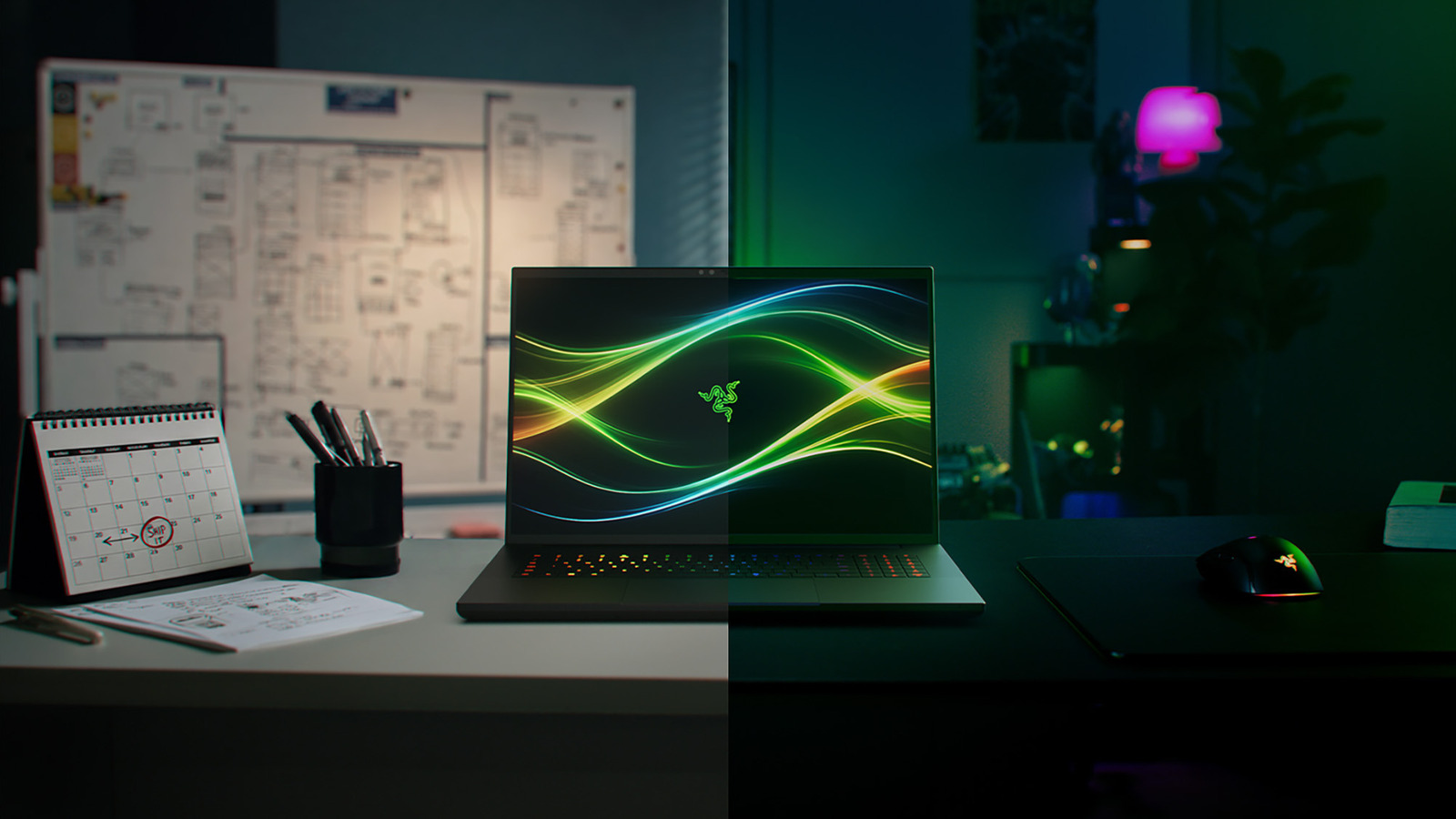
What matters
- Razer announced a 2026 Blade 18 update featuring the Intel Core Ultra 9 290HX Plus processor.
- A fully specced-out configuration is priced at $7,000.
- Detailed specifications, GPU options, memory, storage, and availability dates have not yet been disclosed.
- The pricing positions the Blade 18 among the most expensive consumer laptops on the market.
- Independent benchmarks and thermal tests will be needed to validate performance claims.
What happened
Razer has announced a 2026 revision of the Blade 18, headlined by the addition of Intel’s Core Ultra 9 290HX Plus processor, according to a May 14 report from Engadget. The company confirmed that a fully specced-out configuration will cost $7,000. The announcement did not include a comprehensive list of specifications, meaning details such as GPU options, memory and storage configurations, display resolution and refresh rate, port selection, battery capacity, chassis changes, and exact shipping dates remain undisclosed. It is also unclear whether the $7,000 figure represents a single limited halo configuration or the top of a broader pricing stack with multiple SKUs. Because Engadget’s initial report did not cite hands-on impressions or a full press release, the exact nature of the update—whether it is a minor refresh or a more substantial redesign—is also unknown. What is clear is that Razer is positioning the 2026 Blade 18 as its most powerful and expensive consumer laptop offering by combining a new Intel flagship chip with a price ceiling that approaches workstation territory. For shoppers, the lack of a full spec sheet means it is impossible to compare the new model directly against last year’s version or current competitors on anything beyond the processor name and maximum price.
Why it matters
The $7,000 price point places the fully loaded 2026 Blade 18 among the most expensive consumer laptops announced this cycle. By leading with Intel’s Core Ultra 9 290HX Plus, Razer is signaling that this revision targets buyers who prioritize cutting-edge mobile processing power above all else. The pricing also establishes a new ceiling for the Blade lineup, giving competitors a benchmark in the ultra-premium desktop-replacement category. For Intel, securing placement in a visible halo product reinforces the perception that its latest mobile silicon can anchor the top tier of the market. If the $7,000 configuration becomes widely available rather than a limited run, it would represent one of the highest default price tags in the consumer-facing laptop segment, narrowing the gap between gaming hardware and professional mobile workstations. Until full specifications and independent benchmarks are available, however, it is unclear whether the new processor and configuration options will deliver enough additional performance to justify the premium over previous models or rival machines. The announcement therefore raises as many questions as it answers about where Razer sees the upper limit of consumer laptop pricing.
Public reaction
No strong public signal was available at the time of publication. Without captured Reddit discussion or community commentary, it is unclear whether prospective buyers view the $7,000 price as justified or if they are waiting for independent reviews and benchmark data before reacting.
What to watch
Razer has not yet published a complete specification sheet, so critical details remain unknown. Prospective buyers should look for confirmation of GPU options, memory and storage ceilings, display specifications, port selection, and exact availability dates. Independent thermal and performance testing will be particularly important; the "HX" designation in the Core Ultra 9 290HX Plus implies a high-performance part, and real-world sustained clock speeds will depend heavily on the Blade 18’s cooling system. Entry-level and mid-tier pricing also remain unannounced, and those configurations will likely determine whether the 2026 Blade 18 appeals to a broad audience or strictly to the high-end niche willing to pay for halo specs. Additionally, reviewers should verify whether the 2026 model introduces any chassis, keyboard, or connectivity changes beyond the processor update, as these factors heavily influence the value proposition of a desktop-replacement machine.
Sources
Public reaction
No Reddit or public discussion data was captured for this story. Without community commentary, there is no measurable sentiment or buyer reaction to report.
Open questions
- Will independent benchmarks justify the $7,000 price?
- What are the full specifications and GPU options?
- How will thermal performance compare to previous Blade generations?
What to do next
Developers
Wait for confirmed memory, storage, and port specs before budgeting the Blade 18 as a mobile workstation.
Development workloads require specific RAM and I/O configurations that have not yet been detailed.
Founders
Use the $7,000 price point as a benchmark when negotiating fleet discounts for high-end developer or creative laptops.
Halo pricing from premium OEMs strengthens your negotiating position for bulk purchases of lower-tier configurations.
PMs
Track the configuration matrix once released to understand how Razer segments ultra-premium SKUs.
The ratio of base-to-halo pricing will reveal whether Razer is optimizing for average selling price or volume.
Investors
Monitor Razer and Intel premium laptop attach rates following this launch.
A $7,000 ceiling tests price elasticity in the high-end PC market and signals brand strength.
Operators
Delay any Blade 18 fleet refresh until full specs and availability are confirmed.
Without confirmed port selection, battery life, and delivery dates, procurement plans carry unnecessary risk.
How to test
- 1Verify the exact CPU model (Intel Core Ultra 9 290HX Plus) in system information.
- 2Run sustained multi-core and single-core benchmarks to measure performance against published Intel claims.
- 3Monitor CPU and GPU temperatures during a 30-minute stress test to assess thermal throttling.
- 4Test real-world workflows relevant to your use case (e.g., compilation, rendering, gaming).
- 5Compare battery life during typical productivity tasks versus previous generations.
Caveats
- The $7,000 halo configuration may not reflect the performance of lower-tier SKUs.
- Early production units may ship with pre-release BIOS versions that affect performance.
- The 'HX' designation implies high power draw; chassis design heavily influences real-world results.
- Availability may be limited at launch, skewing early user reports toward review units.